The Power of Chinese Herbal Medicine: Common Herbs and Their Uses
Chinese herbal medicine has a rich history of using various parts of plants to promote health and well-being. As a practitioner, I often incorporate roots, barks, twigs, seeds, leaves, and flowers into my treatments. These herbs are not only powerful in their medicinal properties but are also commonly found in everyday foods and spices. Here are three frequently used herbs in Chinese medicine that you might recognise from your local supermarket or whole food shop.
Cinnamon (Gui Zhi, Rou Gui, An Gui)
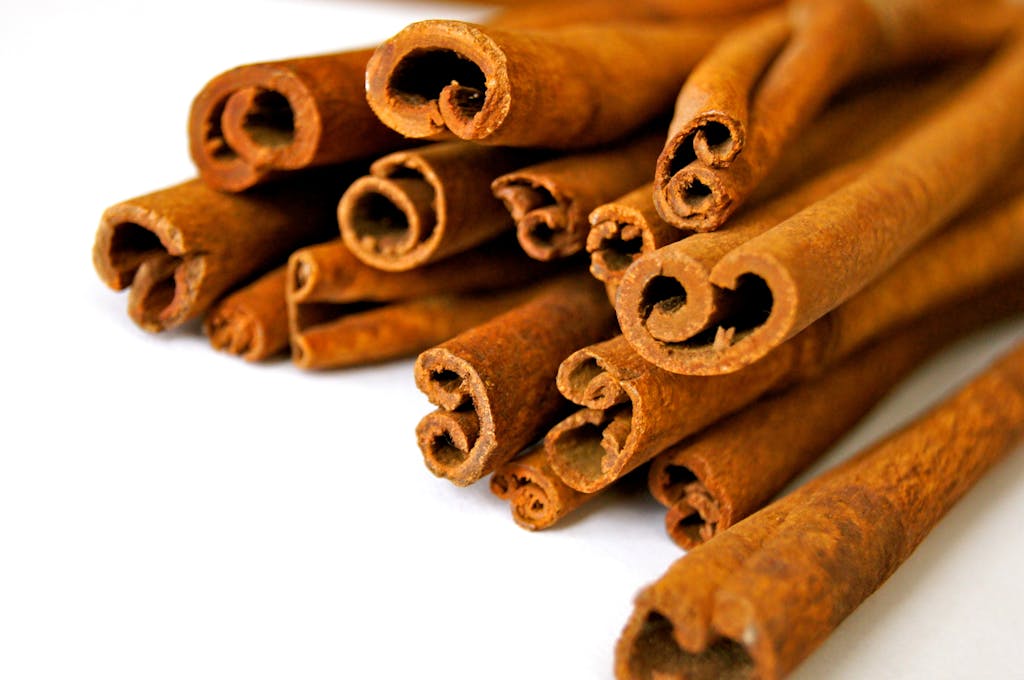
Cinnamon is a versatile herb used in many Chinese medicinal formulas. There are three types of cinnamon commonly used:
Vietnamese Cinnamon Bark (An Gui): Also known as Saigon cinnamon, this variety is particularly aromatic and is used to invigorate the blood and enhance overall vitality.
Cinnamon Twig (Gui Zhi): This part of the cinnamon plant is known for its warming properties and is often used to promote circulation and alleviate pain.
True Cinnamon Bark (Rou Gui): Derived from the true cinnamon tree, this bark is used to warm the interior and dispel cold, making it beneficial for digestive issues and cold extremities.
Ginger (Sheng Jiang, Gan Jiang)
Ginger is another staple in Chinese herbal medicine, valued for its warming and digestive properties. It comes in two main forms:
Dry Ginger (Gan Jiang): When ginger is dried, it becomes more potent in its warming properties. Dry ginger is often used to treat cold conditions and improve circulation.
Fresh Ginger (Sheng Jiang): Fresh ginger is commonly used to treat colds, nausea, and digestive issues. It is also known for its ability to harmonise other herbs in a formula.
Liqcorice (Sheng Gan Cao, Zhi Gan Cao)
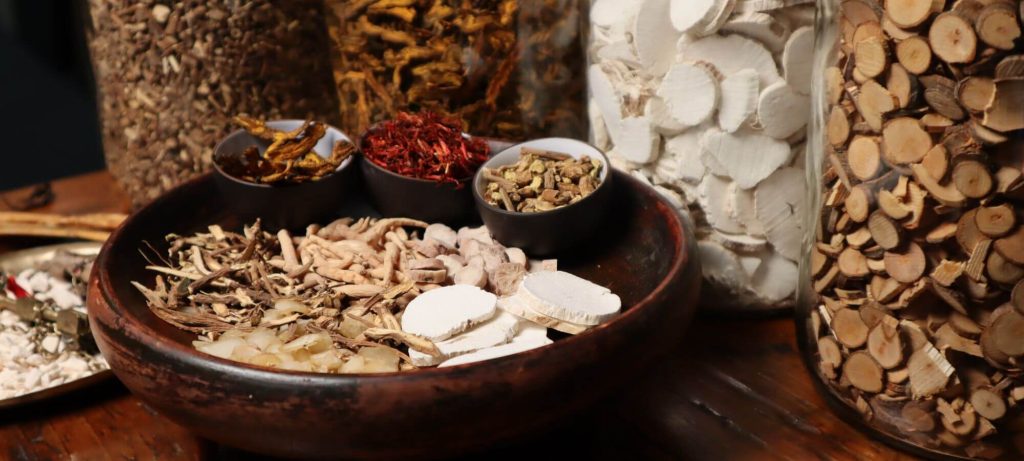
Liquorice root is a harmonising herb that is frequently included in Chinese herbal formulas. It comes in two forms:
Processed Liquorice Root (Zhi Gan Cao): Often baked in honey or organic molasses, processed liquorice root is used to enhance its tonifying properties and to harmonise the effects of other herbs in a formula.
Fresh Liquorice Root (Sheng Gan Cao): Fresh liquorice root is used to tonify the spleen and stomach, clear heat, and detoxify the body.
“Maintaining order rather than correcting disorder is the ultimate principle of wisdom.Maintaining order rather than correcting disorder is the ultimate principle of wisdom. To cure disease after it has appeared is like digging a well when one is already thirsty or forging weapons after the war has already begun.”
The Nei Jing
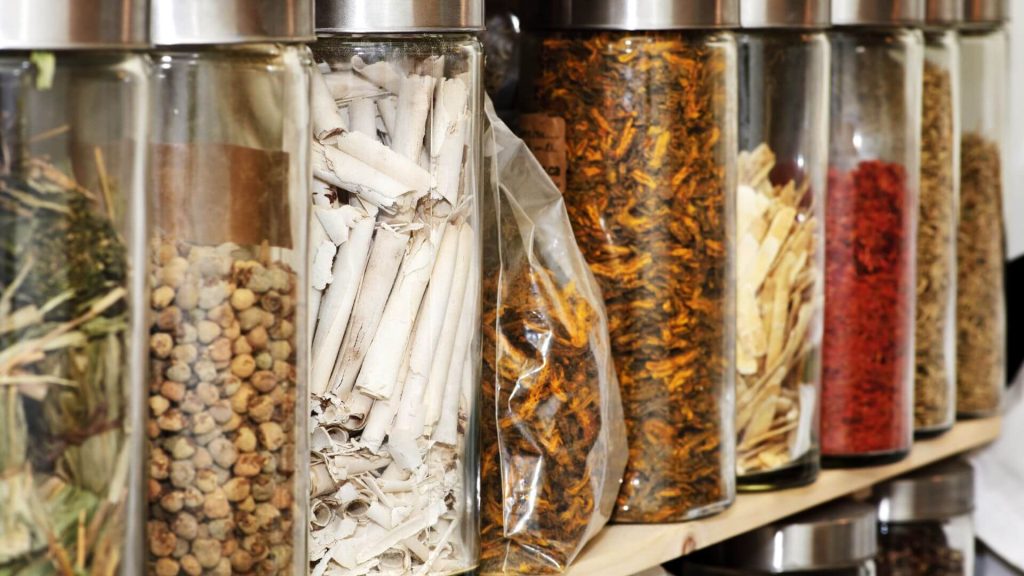
Other Recognisable Herbs
In addition to the above, there are several other herbs commonly used in Chinese medicine that you might recognise:
Cardamom Seeds: Often used to treat digestive issues and improve appetite.
Fennel Seeds: Used to regulate the flow of Qi and alleviate digestive issues.
Goji Berries: Known for their antioxidant properties and ability to nourish the liver and kidneys.
Sesame Seeds: Used to nourish the blood and lubricate the intestines.
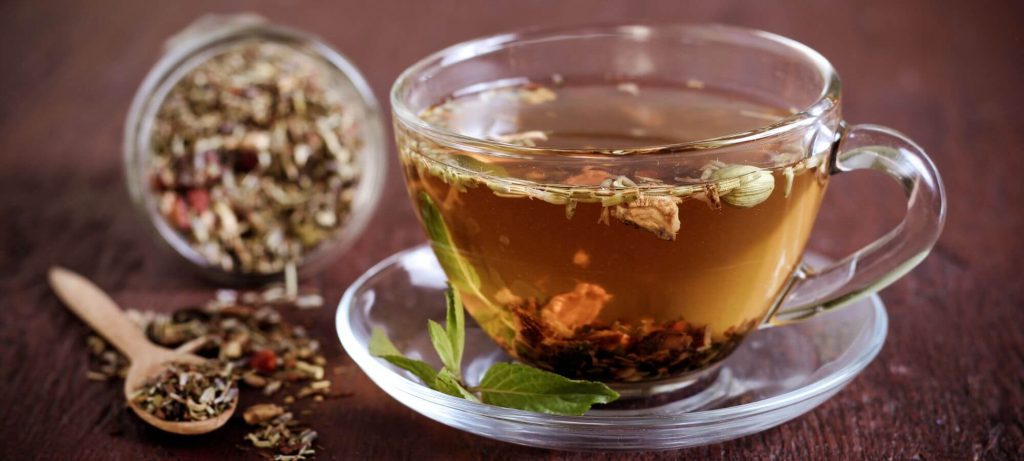
Enjoying Herbal Teas
Many of these herbs can be enjoyed in teas, providing both health benefits and pleasant flavours. For instance, a tea made with fresh ginger and cinnamon can be warming and soothing, perfect for cold days. Liquorice root adds a natural sweetness to teas, making it a delightful addition to herbal blends.
Incorporating these herbs into your daily routine can be a simple and effective way to support your health and well-being. Whether you are looking to improve digestion, boost circulation, or simply enjoy a flavourful tea, these common Chinese herbs offer a wealth of benefits.
Sound interesting?
If you would like to see how acupuncture or herbal medicine
can help you then please get in touch

About the Author – Andrea Garratt
Andrea Garratt is the founder and practitioner behind the clinic Resolve Acupuncture, where she provides personalised acupuncture and Chinese herbal medicine treatments to support patients’ long-term health and wellbeing.
With a BSc (Hons) and Licentiate in Acupuncture, Andrea trained at the College of Integrated Chinese Medicine, studying both Traditional Chinese Medicine and Five Element acupuncture approaches. She has a particular passion for women’s health, fertility, and chronic conditions, and has further strengthened this focus through a postgraduate diploma in gynaecology, fertility and obstetrics.
As a member of the Association of Acupuncture Clinicians, Andrea is committed to high standards of safe, ethical and evidence-informed practice while delivering compassionate, one-to-one care tailored to each individual’s needs.

Related Articles
Traditional Chinese medicine takes a holistic view of health, with acupuncture, herbal medicine and lifestyle guidance working together to restore balance within the body. If you found this article helpful, you may also enjoy exploring other topics on the Resolve Acupuncture blog, where Andrea shares insights into acupuncture points, Chinese herbs and the principles of traditional Chinese medicine that support wellbeing.