Unlocking the Power of Spleen 8 (Diji): Earth’s Cure for Menstrual Health
Menstrual irregularities and premenstrual syndrome (PMS) are common challenges faced by many women, often disrupting daily life and emotional well-being. Traditional Chinese Medicine (TCM) offers a holistic approach to addressing these issues, with acupuncture playing a pivotal role. One acupuncture point that stands out for its effectiveness in regulating menstruation and alleviating related symptoms is Spleen 8 (Diji), also known as “Earth’s Cure.”
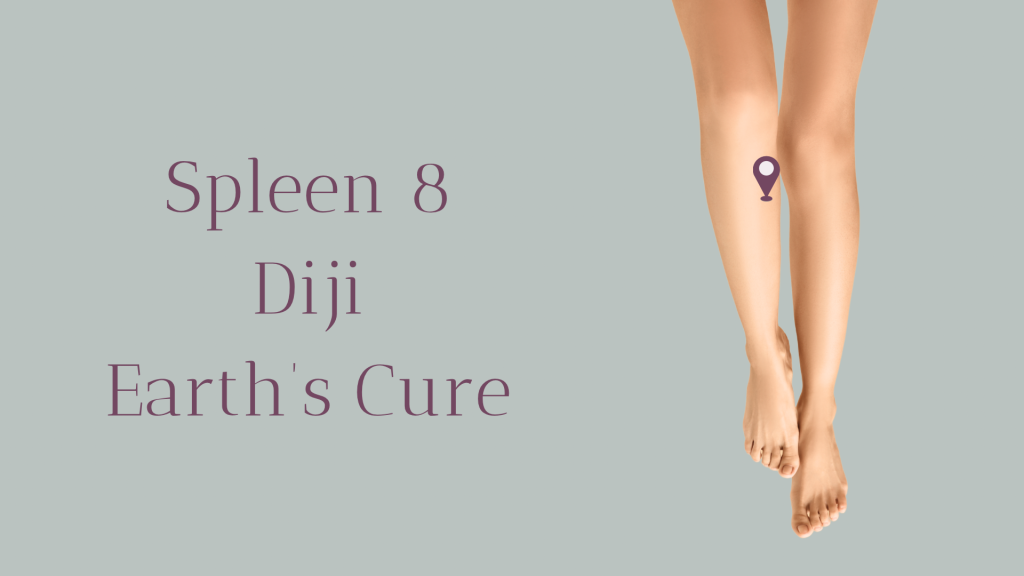
Spleen 8 is the Xi-Cleft point of the Spleen channel, located approximately three cun (a traditional Chinese unit of measurement) below the medial condyle of the tibia, along the line connecting Spleen 9 and the medial malleolus. This point is renowned for its ability to regulate the Spleen, invigorate blood flow, and alleviate pain, making it a key player in addressing menstrual health.
Why Spleen 8 Matters for Menstrual Health
Spleen 8 is particularly effective in resolving blood stasis, a common cause of menstrual irregularities such as dysmenorrhea (painful periods), amenorrhea (absence of menstruation), and abnormal uterine bleeding. By invigorating blood flow and regulating Qi (vital energy), this point helps to harmonise the uterus and alleviate symptoms like abdominal distension, lower back pain, and even emotional imbalances associated with PMS.
In addition to its menstrual benefits, Spleen 8 also addresses other health concerns, including:
Urinary and reproductive health: It stabilises Kidney Qi, addressing issues like urinary incontinence and seminal emissions.
Ovarian cysts and uterine fibroids: By promoting smooth blood flow and reducing stasis, it can help manage these conditions.
Digestive issues: Symptoms like diarrhoea, poor appetite, and abdominal pain can also be alleviated.
Self-Help Techniques: How to Use Spleen 8 at Home
While acupuncture is best performed by a trained professional, you can incorporate self-help techniques to stimulate Spleen 8 and support your menstrual health. Here’s how:
Pair with Relaxation: Combine the massage with deep breathing or mindfulness exercises to enhance the calming and pain-relieving effects.
Locate the Point: Spleen 8 is found in a depression on the medial side of the lower leg, about three cun below the medial condyle of the tibia. If you are unsure, consult a professional or refer to an image for clarity.
Gentle Massage: Use light friction or circular motions to massage the area. Since this point can be tender, avoid applying excessive pressure. Gentle stimulation is often enough to activate its benefits.
Consistency is Key: Regularly massaging Spleen 8, especially during the days leading up to your period, can help alleviate PMS symptoms and promote smoother menstrual cycles.
A Holistic Approach to Menstrual Health
Spleen 8 is more than just a point on the body—it’s a gateway to better menstrual health and overall well-being. By addressing the root causes of menstrual irregularities, it helps restore balance and harmony to the body. Whether you are dealing with painful periods, irregular cycles, or emotional ups and downs, incorporating Spleen 8 into your self-care routine can make a significant difference.
If you are curious about how acupuncture and Chinese medicine can support your menstrual health, consider booking an appointment. Together, we can create a personalised plan to help you feel your best.
Ready to take control of your menstrual health? Book an acupuncture session or explore online herbal consultations today. Visit our website to learn more.
Sound interesting?
If you would like to see how acupuncture or herbal medicine
can help you then please get in touch

About the Author – Andrea Garratt
Andrea Garratt is the founder and practitioner behind the clinic Resolve Acupuncture, where she provides personalised acupuncture and Chinese herbal medicine treatments to support patients’ long-term health and wellbeing.
With a BSc (Hons) and Licentiate in Acupuncture, Andrea trained at the College of Integrated Chinese Medicine, studying both Traditional Chinese Medicine and Five Element acupuncture approaches. She has a particular passion for women’s health, fertility, and chronic conditions, and has further strengthened this focus through a postgraduate diploma in gynaecology, fertility and obstetrics.
As a member of the Association of Acupuncture Clinicians, Andrea is committed to high standards of safe, ethical and evidence-informed practice while delivering compassionate, one-to-one care tailored to each individual’s needs.

Related Articles
Traditional Chinese medicine takes a holistic view of health, with acupuncture, herbal medicine and lifestyle guidance working together to restore balance within the body. If you found this article helpful, you may also enjoy exploring other topics on the Resolve Acupuncture blog, where Andrea shares insights into acupuncture points, Chinese herbs and the principles of traditional Chinese medicine that support wellbeing.